10 Powerful Ways to Prepare for a Graphic Design Course
Starting a graphic design program can be exciting and rewarding, but proper preparation can make a huge difference in your learning experience. Understanding How to Prepare for a Graphic Design Course before classes begin helps you build confidence, develop foundational skills, and get the most value from your education. Whether you are a beginner or someone looking to improve existing skills, having a clear plan can help you succeed. Many aspiring designers in Thrissur and other places begin their journey by learning the basics before entering a formal course.
Graphic design is a combination of creativity, technology, and communication. It involves creating visual content that conveys messages effectively. Learning How to Prepare for a Graphic Design Course can help you understand what to expect and how to build a strong foundation for future success.
Why Understanding How to Prepare for a Graphic Design Course Is Important
Learning How to Prepare for a Graphic Design Course is important because it helps students enter their studies with confidence and a clear understanding of basic concepts. Preparation reduces the learning curve and allows students to focus on improving their design skills instead of struggling with unfamiliar terminology or software.
Benefits include:
- Better understanding of design principles
- Increased confidence during classes
- Improved creativity and problem-solving
- Faster software learning
- Better project outcomes
- Stronger portfolio development
Understanding Graphic Design Fundamentals
Learn the Basic Principles of Design
A key part of How to Prepare for a Graphic Design Course is understanding design fundamentals. These principles are the building blocks of effective visual communication.
Important principles include:
- Balance
- Contrast
- Alignment
- Repetition
- Hierarchy
- Proximity
- White space
These concepts influence how viewers interpret and engage with visual content.
Understand Visual Communication
Graphic design is about communicating ideas visually. Understanding how images, colors, typography, and layouts work together is essential when learning How to Prepare for a Graphic Design Course.
Essential Skills Needed Before Starting
Creative Thinking Skills
Creative thinking is one of the most valuable skills for designers. You do not need to be an expert artist, but you should be willing to explore ideas and experiment with different concepts.
Ways to improve creativity:
- Observe good design examples
- Sketch regularly
- Analyze advertisements
- Study branding materials
- Explore design trends
Problem-Solving Abilities
Graphic design often involves solving communication challenges. Developing problem-solving skills is an important part of How to Prepare for a Graphic Design Course.
Attention to Detail
Small details can greatly affect the quality of a design. Focus on:
- Alignment
- Spacing
- Consistency
- Typography
- Color accuracy
Learn the Basics of Typography
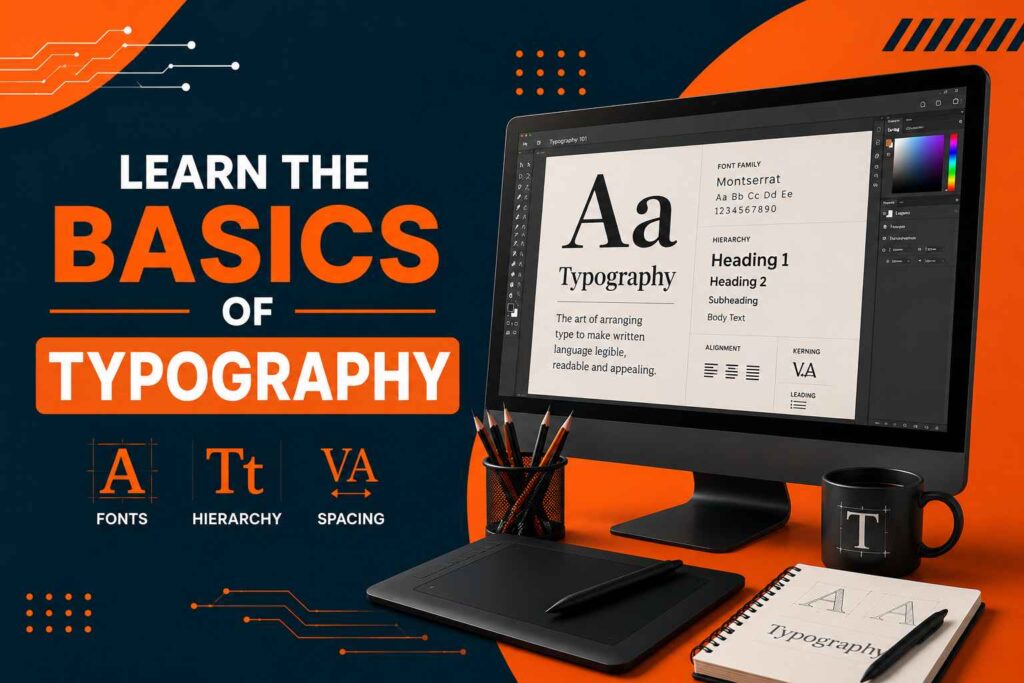
Typography plays a major role in graphic design. Understanding typography is essential when learning How to Prepare for a Graphic Design Course.
Important typography concepts include:
Font Categories
- Serif Fonts
- Sans-Serif Fonts
- Script Fonts
- Display Fonts
Typography Principles
- Readability
- Hierarchy
- Font Pairing
- Line Spacing
- Letter Spacing
Strong typography helps create professional and visually appealing designs.
Understand Color Theory
Color theory is another critical topic when exploring How to Prepare for a Graphic Design Course.
Key Color Concepts
- Primary Colors
- Secondary Colors
- Tertiary Colors
- Complementary Colors
- Analogous Colors
- Monochromatic Schemes
Why Color Matters
Colors influence emotions and audience perception. Designers use color strategically to communicate messages and create visual impact.
Familiarize Yourself with Graphic Design Software
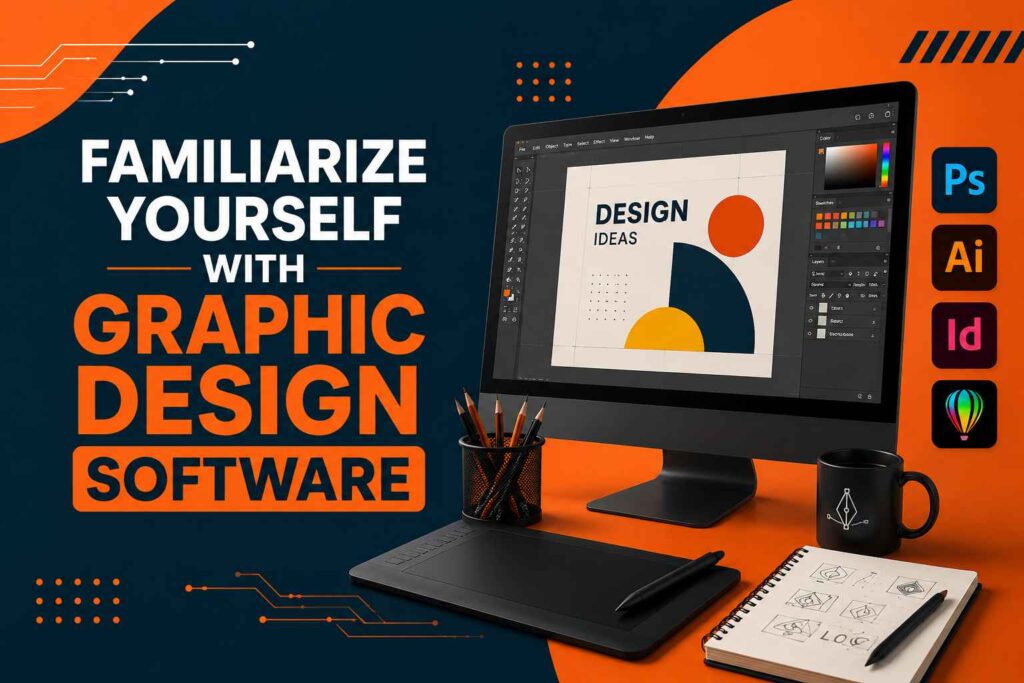
Learning software basics before classes begin can significantly improve your progress.
Adobe Photoshop
Used for:
- Photo editing
- Digital artwork
- Image manipulation
Adobe Illustrator
Used for:
- Logo design
- Vector graphics
- Branding materials
Adobe InDesign
Used for:
- Magazine layouts
- Brochures
- Publishing projects
Figma
Used for:
- UI/UX design
- Wireframing
- Collaborative design
Learning the basics of these tools is an excellent step in How to Prepare for a Graphic Design Course.
Build a Design Inspiration Library
Collect examples of great design to develop your visual awareness.
Sources include:
- Design blogs
- Brand websites
- Social media platforms
- Packaging designs
- Posters
- Magazine layouts
Creating an inspiration collection helps train your eye for effective design.
Practice Sketching and Concept Development
Many beginners overlook sketching when considering How to Prepare for a Graphic Design Course.
Benefits of sketching:
- Faster idea generation
- Better creativity
- Improved planning
- Stronger conceptual thinking
Simple sketches can help you organize ideas before creating digital designs.
Create Small Design Projects
Practical experience is essential.
Try creating:
- Posters
- Flyers
- Social media graphics
- Business cards
- Logo concepts
These projects help reinforce design principles and build confidence.
Develop a Learning Routine
A structured routine is one of the best ways to approach How to Prepare for a Graphic Design Course.
Effective Study Habits
- Practice daily
- Set learning goals
- Review previous work
- Seek feedback
- Maintain consistency
Even 30 minutes of focused practice each day can lead to significant improvement.
Common Challenges and Their Causes
Lack of Confidence
Many students believe they are not creative enough.
Cause:
- Limited experience
Solution:
- Consistent practice
Software Anxiety
Design tools can seem overwhelming.
Cause:
- Unfamiliar interfaces
Solution:
- Start with basic tutorials
Information Overload
There is a large amount of design content available online.
Cause:
- Too many learning resources
Solution:
- Focus on fundamentals first
Understanding these challenges is part of learning How to Prepare for a Graphic Design Course effectively.
Types of Learning Resources
Online Courses
Structured lessons provide guided learning.
Design Books
Books offer in-depth knowledge of principles and techniques.
Video Tutorials
Visual demonstrations make software learning easier.
Design Communities
Communities provide feedback, support, and inspiration.
Benefits of Proper Preparation
Learning How to Prepare for a Graphic Design Course offers many advantages.
Academic Benefits
- Better understanding
- Faster progress
- Improved assignments
Creative Benefits
- Stronger ideas
- Better visual communication
- Increased innovation
Professional Benefits
- Portfolio development
- Career readiness
- Industry awareness
Expert Tips for Success
Focus on Fundamentals First
Master the basics before advanced techniques.
Practice Consistently
Small daily efforts outperform occasional long sessions.
Accept Feedback
Constructive criticism helps improve your work.
Stay Curious
Explore new styles, techniques, and design trends.
Build a Portfolio Early
Save your best work from the beginning.
Common Mistakes to Avoid
When learning How to Prepare for a Graphic Design Course, avoid these mistakes:
- Ignoring design principles
- Learning too many tools at once
- Comparing yourself to experienced designers
- Skipping practice
- Avoiding feedback
- Relying solely on software skills
Conclusion
Understanding How to Prepare for a Graphic Design Course can significantly improve your learning experience and help you achieve better results. By studying design fundamentals, learning typography and color theory, practicing creative thinking, and becoming familiar with industry-standard software, you can build a strong foundation before classes begin. Consistent practice, curiosity, and a willingness to learn are key factors in long-term success. Whether you are starting your design journey from scratch or improving existing skills, following these strategies can help you become a more confident and capable designer in Thrissur and beyond. To strengthen your understanding of How to Prepare for a Graphic Design Course, explore the free learning resources available at Adobe Design and Creative Learning Resource .
Frequently Asked Questions
How to Prepare for a Graphic Design Course as a beginner
Start by learning design principles, typography, color theory, and basic software skills.
Do I need drawing skills before joining a graphic design course
No. Basic sketching helps, but professional drawing skills are not required.
Which software should I learn first
Adobe Photoshop and Adobe Illustrator are excellent starting points.
How long should I prepare before starting a course
A few weeks of focused preparation can provide a strong foundation.
Is graphic design difficult to learn
With proper preparation and consistent practice, it becomes much easier.
What are the most important design principles
Balance, contrast, hierarchy, alignment, repetition, and white space.
Why is typography important in graphic design
Typography affects readability, communication, and overall design quality.
How can I improve my creativity
Practice regularly, study good design, and experiment with new ideas.
Can I learn graphic design without expensive equipment
Yes. A reliable computer and internet connection are usually enough for beginners.
Should I build a portfolio before starting a course
Creating small projects before classes begin can help you start building a portfolio.
What is the biggest mistake beginners make
Focusing only on software while ignoring design fundamentals.
Is preparation really necessary
Yes. Learning How to Prepare for a Graphic Design Course helps reduce confusion and improves overall success.