How to Start a Career in Graphic Design
If you are creative, enjoy visual ideas, and want a skill-based profession, learning How to Start a Career in Graphic Design can be a smart decision. In Kerala, many students, job seekers, freelancers, and business owners are now choosing graphic design because it offers practical career opportunities in branding, advertising, social media, digital marketing, and web design.
Graphic design is not only about making something look beautiful. It is about solving communication problems through colors, layouts, typography, images, and visual storytelling. A good designer understands how to create designs that attract attention, explain ideas clearly, and support business goals.
This guide explains How to Start a Career in Graphic Design step by step, especially for beginners who want a clear and practical path.
What Does How to Start a Career in Graphic Design Mean?
How to Start a Career in Graphic Design means learning the right creative skills, understanding design tools, building a strong portfolio, and preparing yourself for job, freelance, or business opportunities.
A beginner graphic designer usually learns:
- Design principles
- Color theory
- Typography
- Layout creation
- Branding basics
- Social media design
- Logo design
- Poster and brochure design
- Adobe Photoshop
- Adobe Illustrator
- Basic UI/UX design concepts
Graphic design is a practical field. So, learning theory alone is not enough. You need regular practice, project experience, feedback, and a portfolio that shows your design ability.
Why Graphic Design Is a Good Career Choice
One major reason people search for How to Start a Career in Graphic Design is the growing demand for visual content. Almost every business needs design support today.
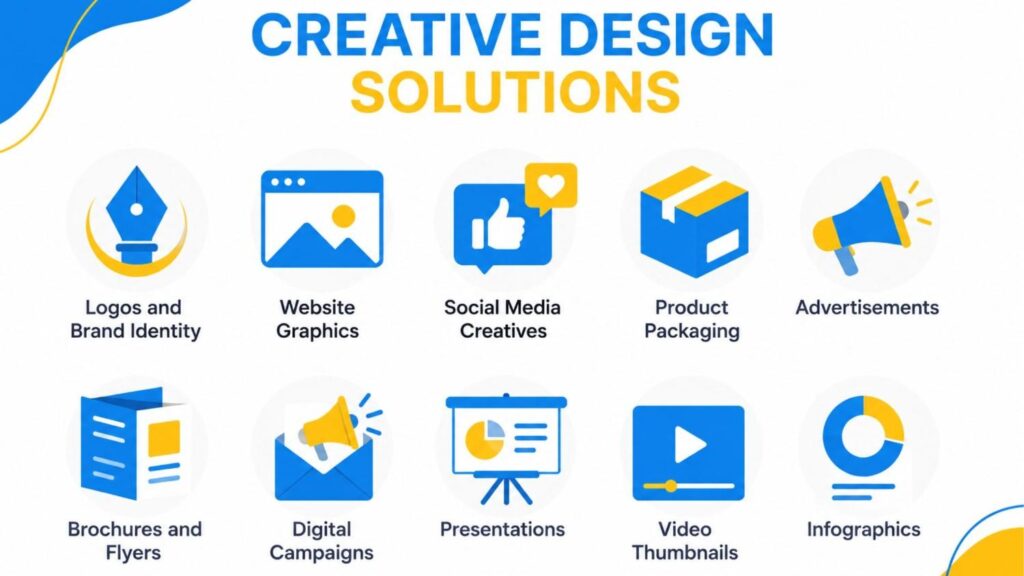
Companies need designers for:
- Logos and brand identity
- Website graphics
- Social media creatives
- Product packaging
- Advertisements
- Brochures and flyers
- Digital campaigns
- Presentations
- Video thumbnails
- Infographics
Graphic design also gives flexibility. You can work in an office, join a digital marketing agency, start freelancing, work remotely, or build your own creative studio.
Causes: Why Many Beginners Feel Confused
Before understanding How to Start a Career in Graphic Design, it is important to know why beginners often feel confused.
Too Many Software Options
Many students think graphic design means only learning software. Photoshop and Illustrator are useful, but software is only a tool. Design thinking is more important.
Lack of Proper Guidance
Self-learning can be helpful, but many beginners struggle without feedback. They may not know whether their designs are professional or not.
No Portfolio Direction
A portfolio is very important in graphic design. But beginners often do not know what projects to include.
Confusion About Career Paths
Graphic design includes many areas such as branding, social media design, UI design, advertising design, and freelancing. Beginners may not know which direction to choose.
Symptoms: Signs You Are Ready for Graphic Design
You may be ready to learn How to Start a Career in Graphic Design if you notice these signs:
- You enjoy working with colors and visuals
- You like editing images or creating posters
- You are interested in branding and advertising
- You notice fonts, layouts, and designs around you
- You enjoy creative problem-solving
- You want a skill-based career
- You are willing to practice regularly
- You want freelance or remote work opportunities
You do not need to be an expert artist to become a graphic designer. Drawing skills can help, but they are not mandatory. What matters more is creativity, observation, design sense, software knowledge, and consistent practice.

How to Start a Career in Graphic Design: Step-by-Step Guide
Step 1: Understand the Basics of Design
The first step in How to Start a Career in Graphic Design is learning design fundamentals. Without basics, even advanced software skills may not create professional results.
Important basics include:
- Balance
- Contrast
- Alignment
- Repetition
- Proximity
- White space
- Visual hierarchy
- Typography
- Color psychology
- Composition
These concepts help you create designs that look clean, clear, and meaningful.
Step 2: Learn Industry-Standard Software
Software training is an important part of How to Start a Career in Graphic Design.
Common tools include:
- Adobe Photoshop for image editing and poster design
- Adobe Illustrator for logos and vector graphics
- Canva for quick design creation
- Figma for UI design basics
- InDesign for layout and publication design
Beginners can start with Photoshop and Illustrator because these tools are widely used in the design industry.
Step 3: Practice with Real Design Projects
Graphic design improves through practice. Instead of only watching tutorials, create real sample projects.
You can practice:
- Logo design
- Business cards
- Instagram posts
- Event posters
- YouTube thumbnails
- Product ads
- Brochure layouts
- Website banners
- Brand identity mockups
This is a key part of How to Start a Career in Graphic Design because employers and clients want to see what you can create.
Step 4: Build a Strong Portfolio
A portfolio is more important than just a certificate. It shows your creative ability and practical skills.
Your portfolio can include:
- Logo design projects
- Social media creatives
- Branding concepts
- Poster designs
- Packaging samples
- Website banners
- UI layout samples
- Before-and-after design improvements
Keep your portfolio clean and easy to view. Add only your best work. Quality is better than quantity.
Step 5: Learn Branding and Visual Communication
Graphic design is not just decoration. It is communication. A designer must understand the message behind the design.
Learn how to answer questions like:
- Who is the target audience?
- What is the purpose of the design?
- What feeling should the design create?
- Which colors match the brand?
- Which font style supports the message?
- How can the design guide the viewer’s attention?
This helps you move from beginner-level design to professional-level thinking.
Tips for Beginners in Graphic Design
Here are practical tips for anyone learning How to Start a Career in Graphic Design.
- Practice at least 30 to 60 minutes daily
- Learn design basics before advanced effects
- Follow good designers for inspiration
- Recreate designs for practice, but do not copy for portfolio use
- Learn typography carefully
- Keep designs simple and clear
- Ask for feedback
- Build a portfolio early
- Learn client communication
- Stay updated with design trends
- Understand branding, not just software
- Keep improving your visual observation skills
How to Start a Career in Graphic Design After Plus Two or Graduation
Many students ask How to Start a Career in Graphic Design after Plus Two or graduation. The good news is that graphic design does not require one fixed academic background.
Students from arts, commerce, science, or computer backgrounds can learn graphic design if they have interest and dedication.
A good learning path includes:
- Learn basic design principles
- Join a practical graphic design course
- Learn Photoshop and Illustrator
- Complete hands-on assignments
- Build a portfolio
- Apply for internships or freelance work
- Keep learning advanced skills
Practical classroom learning can be useful for students who need guidance, discipline, project feedback, and portfolio support.
Common Mistakes Beginners Should Avoid
While learning How to Start a Career in Graphic Design, avoid these mistakes:
- Using too many fonts in one design
- Ignoring alignment and spacing
- Copying designs directly
- Depending only on templates
- Not learning design principles
- Using low-quality images
- Not saving work properly
- Not asking for feedback
- Creating a weak portfolio
- Ignoring client requirements
Good design is not about adding more elements. It is about making the message clear, attractive, and easy to understand.
Conclusion
Learning How to Start a Career in Graphic Design is a practical choice for anyone who wants to build a creative and skill-based profession. Start with design basics, learn professional software, practice real projects, build a strong portfolio, and keep improving your creative thinking.
Graphic design offers opportunities in branding, advertising, social media, digital marketing, UI design, freelancing, and entrepreneurship. With the right training and regular practice, beginners can slowly become confident professionals. For learners in Kerala, this career path can open the door to creative work, flexible opportunities, and long-term professional growth.
To further understand the fundamentals of graphic design principles and visual communication, learners can explore resources from globally recognized design education platforms.